How to Become a Professional Videographer

How to Become a Professional Videographer

Nov 13, 2024

Ricky Renold

Introduction

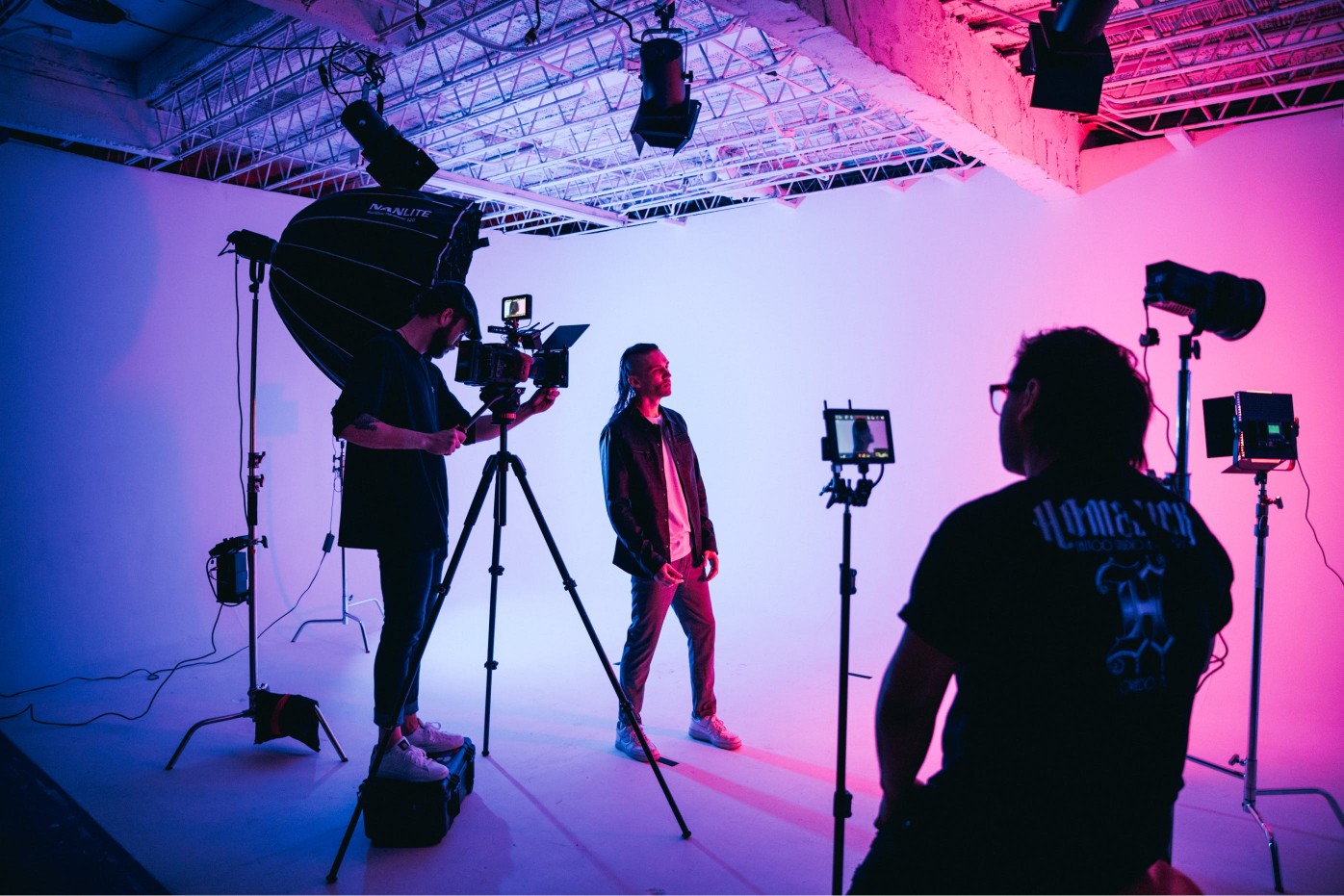
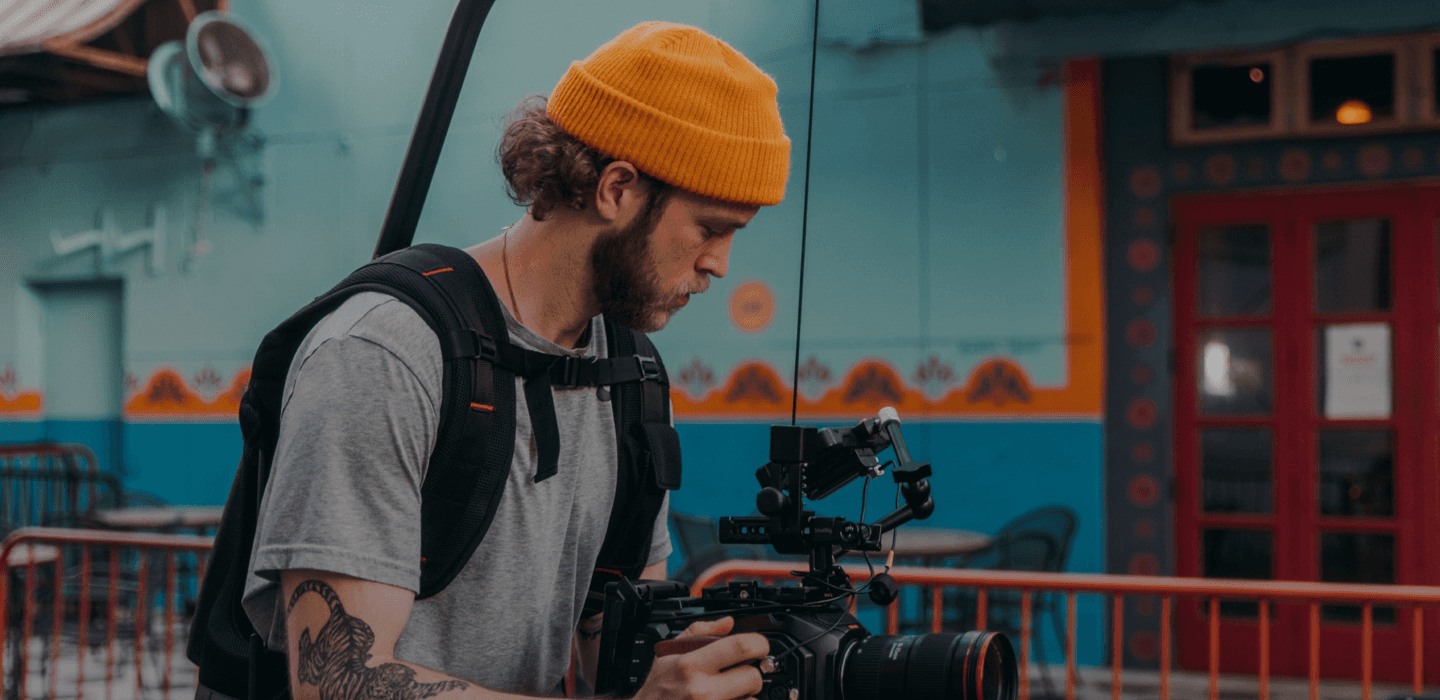
If you love making videos and want to turn your hobby into a career, you might be wondering how to become a professional videographer. A professional videographer is someone who creates high-quality videos for various purposes, such as commercials, documentaries, weddings, events, music videos, and more. A professional videographer not only knows how to operate a camera, but also how to plan, direct, edit, and deliver a video project. Becoming a professional videographer is not easy, but it is possible with the right education, training, certification, and experience. In this blog post, we will guide you through the steps you need to take to pursue a career in videography, from choosing the right education, training, and certification, to finding your niche, building your portfolio, and networking with clients and peers.
Choose the Right Education, Training, and Certification

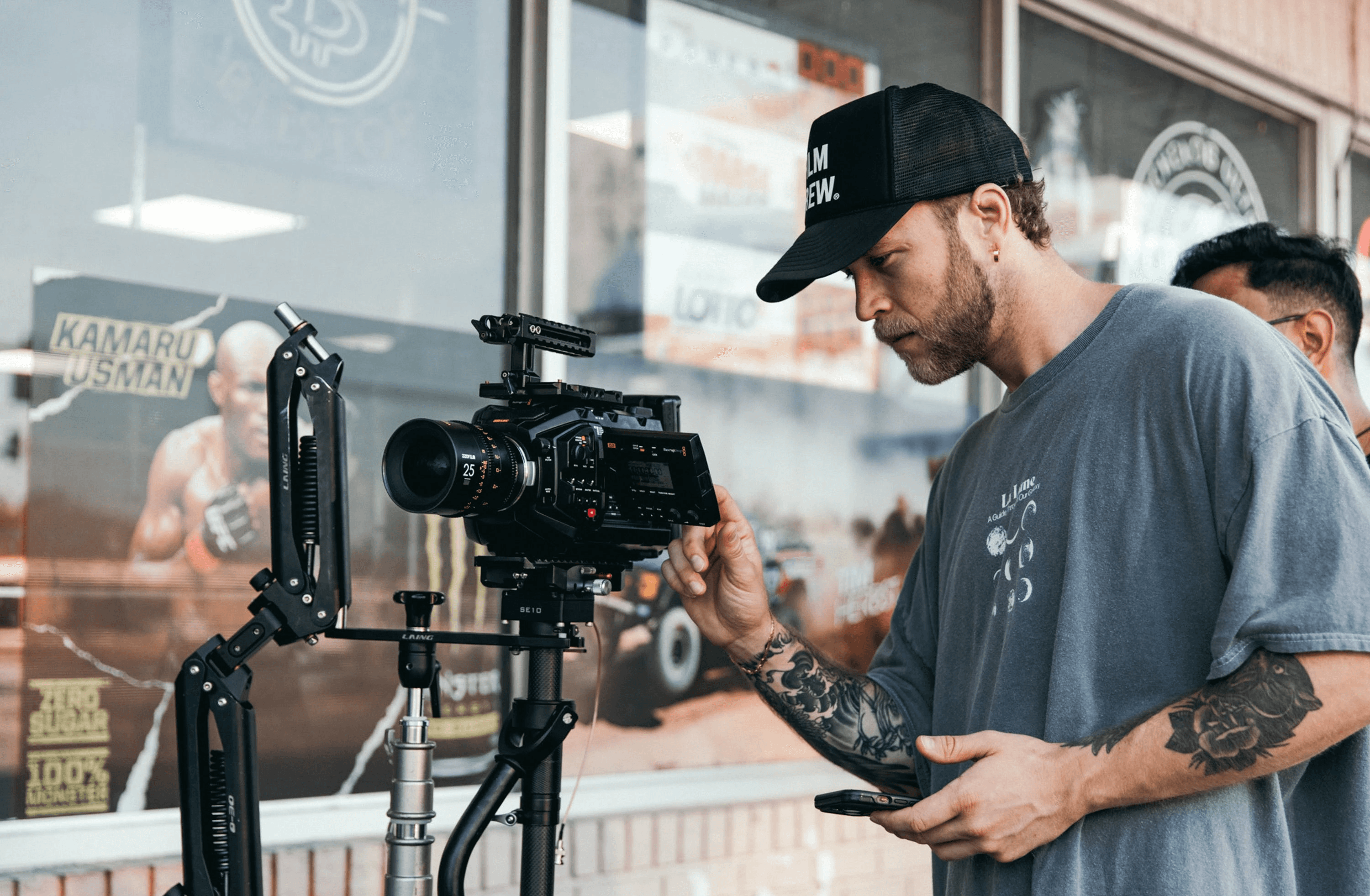
The first step to becoming a professional videographer is to choose the right education, training, and certification. There are different options available, depending on your goals, budget, and preferences. Here are some of the most common ones: Formal Education: You can enroll in a degree or diploma program in videography, film, media, or related fields at a college or university. This will give you a solid foundation in the theory and practice of videography, as well as access to facilities, equipment, and mentors. However, formal education can be expensive and time-consuming, and may not be necessary for some types of videography. Online Courses: You can take online courses in videography, film, media, or related fields from various platforms, such as [Udemy], [Coursera], [Skillshare], and [Lynda]. This will give you flexibility, affordability, and convenience, as well as exposure to different topics and instructors. However, online courses may not provide enough hands-on practice, feedback, and interaction, and may not be recognized by some employers or clients. Workshops and Bootcamps: You can attend workshops and bootcamps in videography, film, media, or related fields from various organizations, such as [Videomaker], [New York Film Academy], [CreativeLive], and [General Assembly]. This will give you intensive, immersive, and practical learning experiences, as well as opportunities to network and collaborate with other aspiring videographers. However, workshops and bootcamps may be limited in availability, duration, and scope, and may not cover all the aspects of videography. Self-Learning: You can learn videography on your own, by watching videos, reading books, blogs, and magazines, and practicing with your own camera and equipment. This will give you freedom, creativity, and self-reliance, as well as the ability to learn at your own pace and style. However, self-learning may be challenging, overwhelming, and isolating, and may not provide enough guidance, feedback, and support.

Find Your Niche

The second step to becoming a professional videographer is to find your niche. A niche is a specific area or genre of videography that you specialize in, such as commercials, documentaries, weddings, events, music videos, and more. Finding your niche will help you focus your skills, style, and vision, as well as target your market, audience, and clients. To find your niche, you need to consider your interests, passions, strengths, and goals. You also need to research the demand, competition, and trends in the videography industry. You can use tools such as [Google Trends], [Keyword Planner], and [BuzzSumo] to find out what topics, keywords, and content are popular and relevant in your niche.

Build Your Portfolio

The third step to becoming a professional videographer is to build your portfolio. A portfolio is a collection of your best work that showcases your skills, style, and experience as a professional videographer. A portfolio is essential for attracting and impressing potential clients, employers, and collaborators. To build your portfolio, you need to create high-quality videos that reflect your niche, vision, and brand. You also need to organize your videos in a logical and appealing way, and add relevant information, such as the title, description, date, and credits of each video. You can use tools such as [Vimeo], [YouTube], [Wix], and [Squarespace] to host and display your portfolio online. You should update your portfolio regularly, and remove any outdated or irrelevant videos. You should also seek feedback and testimonials from your clients, peers, and mentors, and use them to improve your portfolio and reputation. You should also promote your portfolio on social media and other platforms, and link it to your resume, business card, and website.

The third step to becoming a professional videographer is to build your portfolio. A portfolio is a collection of your best work that showcases your skills, style, and experience as a professional videographer. A portfolio is essential for attracting and impressing potential clients, employers, and collaborators. To build your portfolio, you need to create high-quality videos that reflect your niche, vision, and brand. You also need to organize your videos in a logical and appealing way, and add relevant information, such as the title, description, date, and credits of each video. You can use tools such as [Vimeo], [YouTube], [Wix], and [Squarespace] to host and display your portfolio online. You should update your portfolio regularly, and remove any outdated or irrelevant videos. You should also seek feedback and testimonials from your clients, peers, and mentors, and use them to improve your portfolio and reputation. You should also promote your portfolio on social media and other platforms, and link it to your resume, business card, and website.

The third step to becoming a professional videographer is to build your portfolio. A portfolio is a collection of your best work that showcases your skills, style, and experience as a professional videographer. A portfolio is essential for attracting and impressing potential clients, employers, and collaborators. To build your portfolio, you need to create high-quality videos that reflect your niche, vision, and brand. You also need to organize your videos in a logical and appealing way, and add relevant information, such as the title, description, date, and credits of each video. You can use tools such as [Vimeo], [YouTube], [Wix], and [Squarespace] to host and display your portfolio online. You should update your portfolio regularly, and remove any outdated or irrelevant videos. You should also seek feedback and testimonials from your clients, peers, and mentors, and use them to improve your portfolio and reputation. You should also promote your portfolio on social media and other platforms, and link it to your resume, business card, and website.

Network with Clients and Peers

The fourth and final step to becoming a professional videographer is to network with clients and peers. Networking is the process of building and maintaining relationships with people who can help you advance your career, such as clients, employers, collaborators, mentors, and competitors. Networking is crucial for finding and securing opportunities, learning and sharing skills and knowledge, and growing and succeeding as a professional videographer. To network with clients and peers, you need to be proactive, professional, and personable. You need to reach out to people who are relevant and influential in your niche, and introduce yourself and your work. You also need to follow up and follow through with your contacts, and keep them updated and engaged. You can use tools such as [LinkedIn], [Facebook], [Instagram], and [Twitter] to connect and communicate with your network online. You should also attend and participate in events and activities that are related to your niche, such as workshops, webinars, conferences, festivals, and competitions. You should also join and contribute to communities and organizations that support and represent videographers, such as [Videomaker], [PVA], [NCRA], and [SBE].

The fourth and final step to becoming a professional videographer is to network with clients and peers. Networking is the process of building and maintaining relationships with people who can help you advance your career, such as clients, employers, collaborators, mentors, and competitors. Networking is crucial for finding and securing opportunities, learning and sharing skills and knowledge, and growing and succeeding as a professional videographer. To network with clients and peers, you need to be proactive, professional, and personable. You need to reach out to people who are relevant and influential in your niche, and introduce yourself and your work. You also need to follow up and follow through with your contacts, and keep them updated and engaged. You can use tools such as [LinkedIn], [Facebook], [Instagram], and [Twitter] to connect and communicate with your network online. You should also attend and participate in events and activities that are related to your niche, such as workshops, webinars, conferences, festivals, and competitions. You should also join and contribute to communities and organizations that support and represent videographers, such as [Videomaker], [PVA], [NCRA], and [SBE].

The fourth and final step to becoming a professional videographer is to network with clients and peers. Networking is the process of building and maintaining relationships with people who can help you advance your career, such as clients, employers, collaborators, mentors, and competitors. Networking is crucial for finding and securing opportunities, learning and sharing skills and knowledge, and growing and succeeding as a professional videographer. To network with clients and peers, you need to be proactive, professional, and personable. You need to reach out to people who are relevant and influential in your niche, and introduce yourself and your work. You also need to follow up and follow through with your contacts, and keep them updated and engaged. You can use tools such as [LinkedIn], [Facebook], [Instagram], and [Twitter] to connect and communicate with your network online. You should also attend and participate in events and activities that are related to your niche, such as workshops, webinars, conferences, festivals, and competitions. You should also join and contribute to communities and organizations that support and represent videographers, such as [Videomaker], [PVA], [NCRA], and [SBE].

Conclusion

Becoming a professional videographer is a rewarding and fulfilling career choice, but it requires a lot of hard work, dedication, and passion. You need to choose the right education, training, and certification, find your niche, build your portfolio, and network with clients and peers. By following these steps, you can achieve your dream of becoming a professional videographer. Good luck!

Becoming a professional videographer is a rewarding and fulfilling career choice, but it requires a lot of hard work, dedication, and passion. You need to choose the right education, training, and certification, find your niche, build your portfolio, and network with clients and peers. By following these steps, you can achieve your dream of becoming a professional videographer. Good luck!

Becoming a professional videographer is a rewarding and fulfilling career choice, but it requires a lot of hard work, dedication, and passion. You need to choose the right education, training, and certification, find your niche, build your portfolio, and network with clients and peers. By following these steps, you can achieve your dream of becoming a professional videographer. Good luck!

MORE ARTICELS

Explore the world of videography, discover tips, and gain insights

Articles

GET IN TOUCH

©️ uipaste 2023. All Rights Reserved

GET IN TOUCH

©️Ricky Renold 2024. All Rights Reserved

GET IN TOUCH

©️ uipaste 2023. All Rights Reserved

GET IN TOUCH

©️ uipaste 2023.

All Rights Reserved

Buy Template

Buy Template

Buy Template

Buy Template