Oct 16, 2024
Ricky Renold
1. Pre-Production: The Foundation
This is where the magic (and hard work) truly begins; without solid pre-production, your project is likely to crumble. It all starts with a comprehensive Client Brief & Discovery session, where you aim to deeply understand the client's goals, their target audience, the core message they want to convey, the desired tone of the video, and the available budget, essentially identifying the specific problem the video aims to solve. Following this, Concept Development involves brainstorming ideas that align perfectly with the brief, defining the video's core message and its intended emotional impact. The next crucial step is Scriptwriting/Storyboarding. For narrative or dialogue-heavy videos, a detailed script outlining every spoken line is essential. Simultaneously, storyboards provide a visual representation of key shots, illustrating camera angles, composition, and character blocking. This is often complemented by a comprehensive shot list, detailing every shot needed, typically organized by location or scene for efficiency. Location Scouting then becomes vital, as you search for and secure suitable filming locations that meet both the visual aesthetic and logistical requirements of the project. If talent is required, Casting involves auditioning and selecting the right actors, models, or voice-over artists to bring the vision to life. Comprehensive Crew & Equipment Planning follows, determining exactly who you need on set—such as gaffers, sound mixers, and production assistants—and ensuring all necessary equipment is available, functioning, and ready for deployment. Finally, Budget & Schedule are finalized, establishing the financial plan and creating a detailed, phase-by-phase timeline for the entire project.
2. Production: Bringing the Vision to Life
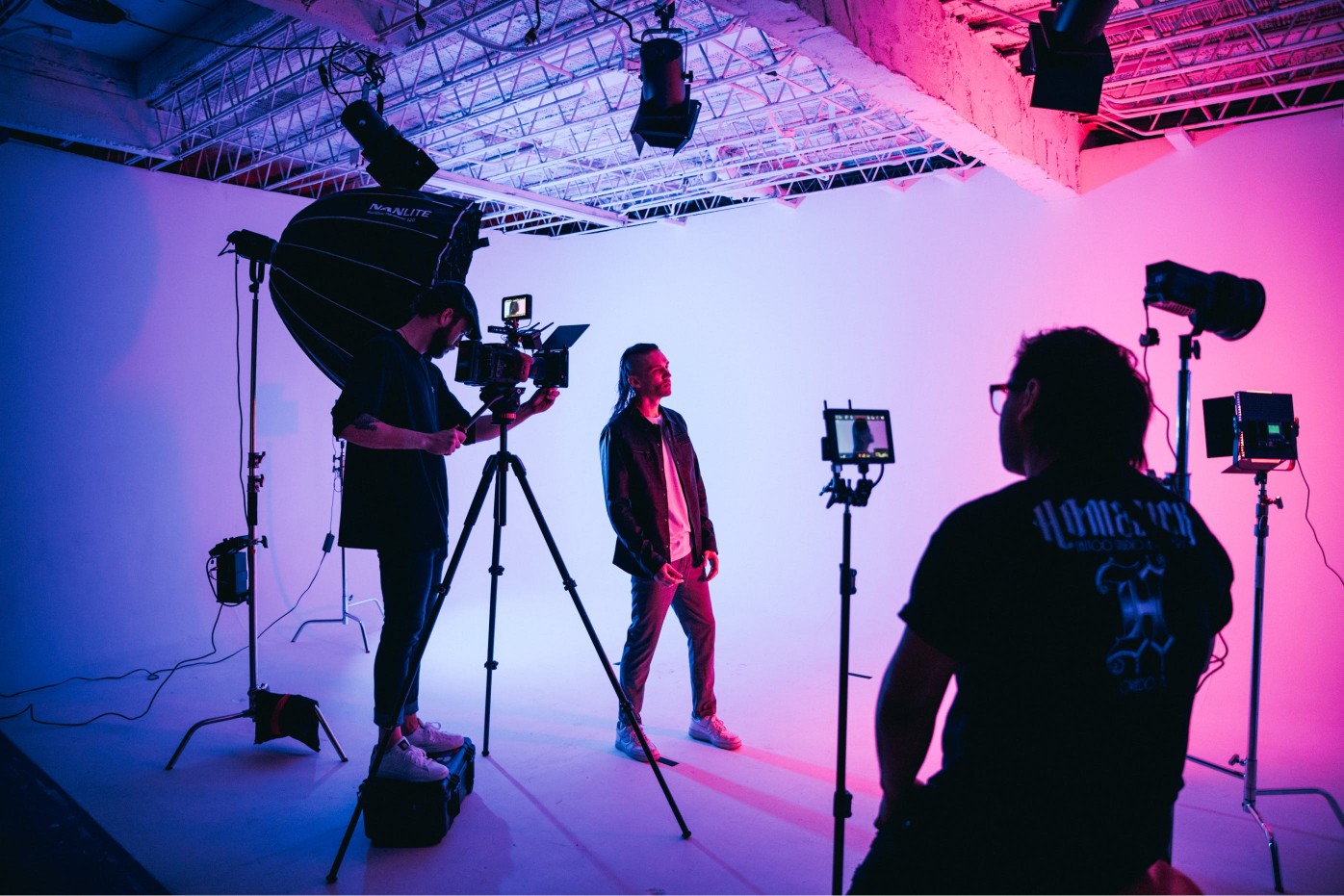
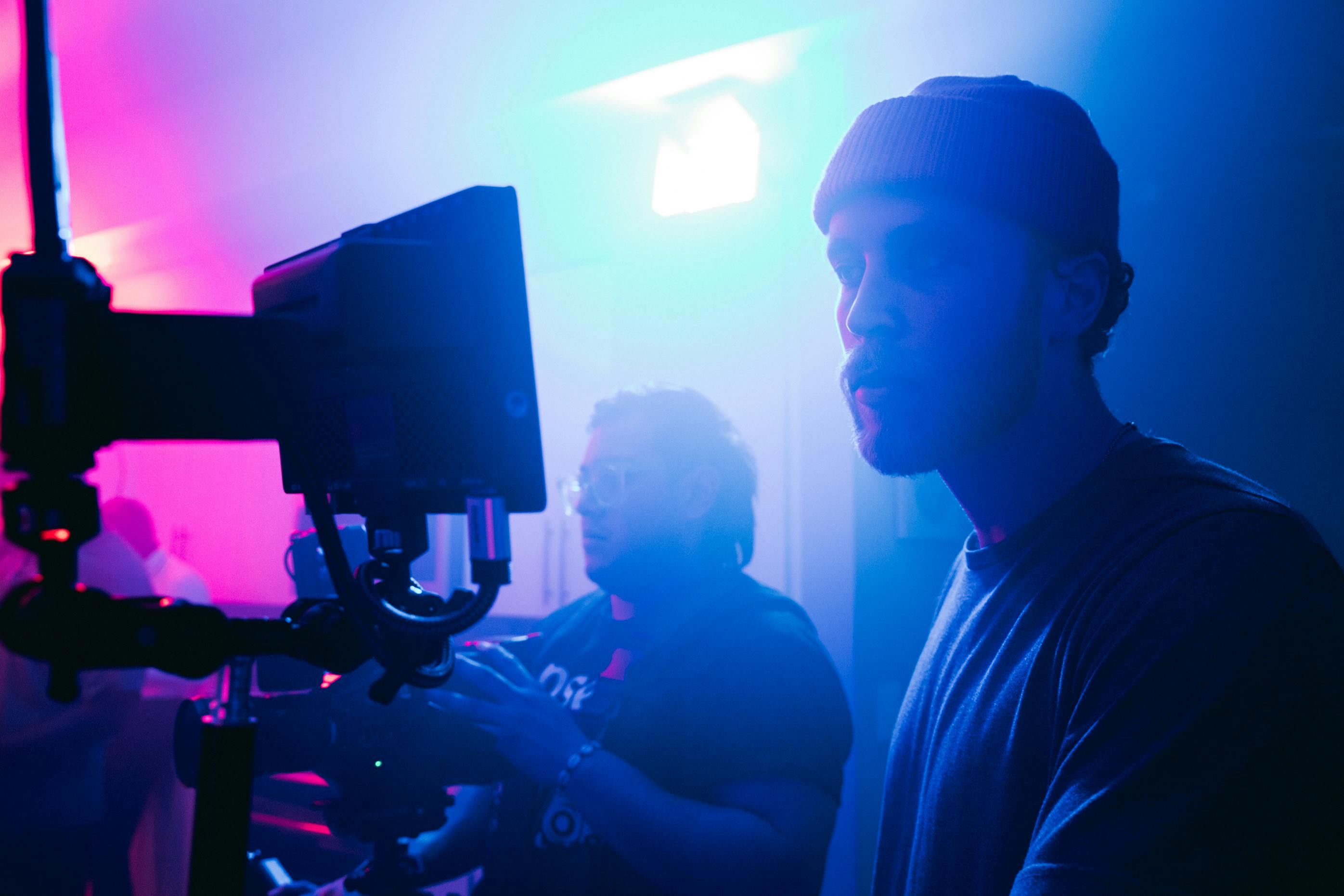
This phase marks the actual shooting, where meticulous pre-planning is translated into captured footage. It commences with Set-up & Lighting, carefully arranging lights, cameras, and audio equipment precisely according to the established plan. Subsequently, Directing Talent involves guiding actors or interviewees to elicit the desired performance and expressions that serve the narrative. Expert Camera Operation is paramount, focusing intensely on composition, framing, and dynamic movement to capture the visual essence. Simultaneously, Audio Recording is conducted with utmost diligence to ensure crisp, clear audio capture, a component often more critical than video quality itself for professional results. Throughout the shoot, Set Management is crucial for keeping the production on schedule, handling all logistical aspects, and swiftly troubleshooting any issues that arise. As each day concludes, Data Management ensures the safe transfer of all captured footage from camera cards to secure backup drives.
3. Post-Production: Crafting the Final Product
This is the transformative stage where raw footage undergoes a meticulous process to become a polished, compelling video. It begins with Ingest & Organization, involving the importing of all footage, systematic organization of files, and creating proxies if required for smoother editing workflows. The creative heart of this phase is Editing, starting with a rough cut to assemble the footage into a foundational sequence that tells the story, with a primary focus on pacing and narrative flow. This is progressively refined into a fine cut, meticulously adjusting individual cuts, transitions, and overall timing. Color Grading then comes into play, adjusting colors and tones to establish a consistent look and feel throughout the video, profoundly enhancing its mood and visual appeal. Parallel to visual refinement, Sound Design & Mixing involves adding impactful sound effects, meticulously cleaning up audio tracks, and carefully balancing music and dialogue levels for a cohesive auditory experience. If the project demands, Motion Graphics/VFX are integrated, creating titles, lower thirds, animations, or sophisticated special visual effects. The perfect emotional complement is added through Music Selection, where appropriate background music is chosen and licensed to synchronize with the video's tone. The final crucial step is Client Review & Revisions, where drafts are presented to the client, and their feedback is incorporated through iterative refinement cycles.

MORE ARTICELS
Explore the world of videography, discover tips, and gain insights