Oct 6, 2024
Ricky Renold
Exposure & Image Control
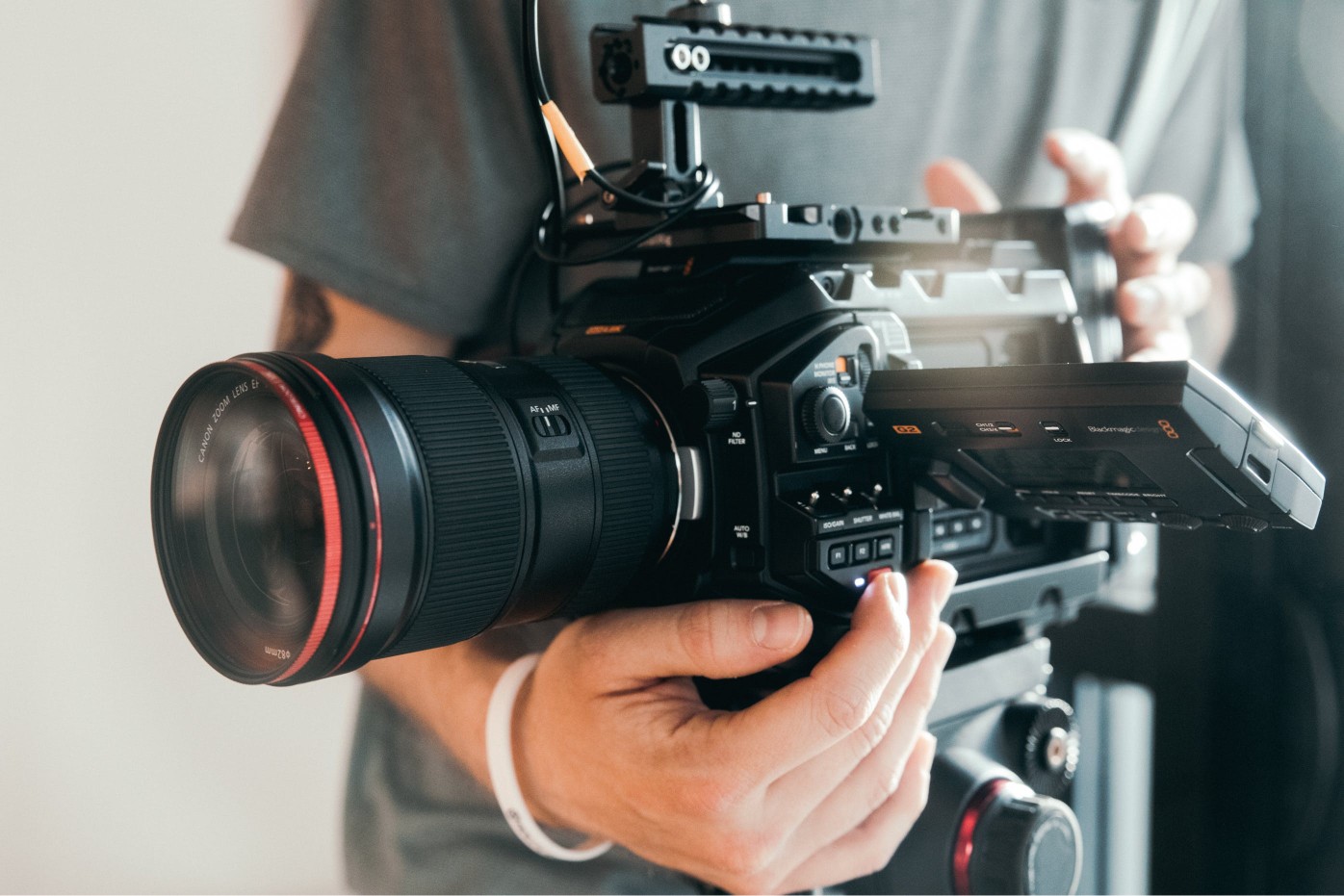
Understanding these fundamental camera settings is non-negotiable for any professional videographer. Aperture (f-stop) controls both the amount of light entering the lens and, critically, the depth of field, which dictates how much of the image is in focus. A low f-number, such as f/2.8, creates a shallow depth of field, resulting in a beautifully blurred background ideal for interviews, whereas a high f-number, like f/11, ensures more of the scene remains in sharp focus. Shutter Speed determines how long the camera's sensor is exposed to light and directly influences motion blur. For video, a widely accepted rule is to set your shutter speed to double your chosen frame rate (e.g., 1/50th of a second for 25 frames per second, or 1/60th for 30 frames per second) to achieve natural-looking motion blur. ISO dictates the sensor's sensitivity to light; while higher ISO settings enable shooting in darker conditions, they inherently introduce digital noise or grain into your footage, making it crucial to keep the ISO as low as possible for the cleanest image. White Balance is essential for ensuring that all colors in your video appear accurate and true-to-life, regardless of the light source present. Manually setting white balance, often by adjusting to a specific Kelvin temperature, is paramount for maintaining color consistency across shots. Finally, mastering Focus, particularly manual focus, is a key professional skill, allowing for critical sharpness, especially when working with shallow depth of field.
Composition & Framing
How you arrange elements within your camera's frame directly impacts the visual appeal and effectiveness of your storytelling. A foundational principle is the Rule of Thirds, which involves mentally dividing your frame into nine equal parts and strategically placing subjects along these intersecting lines or at their intersections to create a balanced and engaging composition. Utilizing Leading Lines involves incorporating natural or artificial lines present in the environment to subtly guide the viewer's eye towards your main subject. Framing can add significant depth and context to your shots by using foreground elements, such as doorways, branches, or windows, to naturally encase your subject. Proper Headroom & Lead Room are also vital; maintaining appropriate spacing above the subject's head (headroom) and providing space in the direction they are looking or moving (lead room) prevents a cramped or awkward visual feel within the frame.
Visual Storytelling
Beyond mere technical execution, a videographer's ability to tell a compelling story visually is paramount. This involves employing Shot Variety, utilizing a thoughtful mix of wide shots to establish context, medium shots to capture interaction and body language, and close-ups to convey emotion or highlight critical details, all contributing to the narrative's construction. Pacing is carefully controlled by adjusting the speed at which information is revealed through the editing process, influencing the viewer's engagement. Ultimately, all technical and artistic techniques are orchestrated to establish an Emotional Connection, aiming to evoke specific feelings or reactions from the audience, making the story resonate deeply.

MORE ARTICELS
Explore the world of videography, discover tips, and gain insights